
 Managers often under-estimate the importance of spending a sufficient amount of time with their direct reports. For one thing, people tend to equate the time spent with them by their leader with their importance or the importance of the issue.
Being deliberate about spending a sufficient amount of time with direct reports has many benefits. In order for time to be most effective it should however be structured. I am going to shed some light on what a manger should be doing with his/her time with direct reports by giving a list 5 of the things that spending time with your people can help facilitate. Here is my list of 5, which no doubt should be added to.
-
Consultation and Listening:
Consultation is essential to keep staff on board with changes and to get their input into workplace issues. This process of consultation gives staff a greater sense of ownership of the implementation of solutions to problems. It also helps to create more understanding of and commitment to organisational decisions and changes. For the consultation process to be effective you need to acquire the skill of listening to staff concerns and ideas.
The consultation process also requires time. The manager that does not spend sufficient time with his/her people may find that they will be missing out of the benefits accrued from an effective consultation process.
2. Performance Feedback:
The second thing that time with direct reports can facilitate is performance feedback. Performance feedback is essential for employee growth and performance improvement. A manager who gives good performance feedback ensures that his staff knows what they are getting right, what they are getting wrong, and where they can improve. Feedback can also inform staff about their strengths and weaknesses and help them understand how they can best focus their efforts.
A manager who spends a sufficient amount of time with his employees giving performance feedback, both as individuals and as a work unit, will facilitate the growth of his direct reports and help them improve their performance.
3. Addressing Competence Gaps
Managers very often give staff a crash course to train them up and then leave them to fend for themselves. Very often staff have particular difficulties or particular expertise deficiency that affect performance, but go unnoticed. Spending time with direct reports gives managers the opportunity to “watch the game” to see what staff are doing well and where they need more training. Once areas for improvement are identified staff can be appropriately trained and this can have a direct and meaningful impact on performance.
 4. Coaching
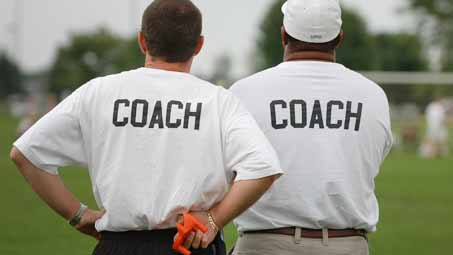
As James Hunt remarks, coaching is another often over-looked leadership tool. Very effective managers see coaching as an essential activity for business success. Coaching requires a consistent and deliberate involvement in the development and effective functioning of direct reports. The coaching process requires consistent guidance.
There are numerous benefits of coaching. Most significantly, effective coaching produces a highly engaged and dynamically effective work-force that produce excellent results.
5. Accountability
Accountability is an essential responsibility for any leader. It is the managers job to hold his/her people to a certain standard of performance. The manager must always ensure that staff have both the means and ability to do their job. Once the means and ability have been supplied it is incumbent on the manager to hold staff accountable. This is an essential element in getting people to perform.
Effective accountability requires that the manager thoroughly understands the root cause of performance issues. The manager must hold a person accountable by censuring or disciplining only if and to the degree that the transgression warrants it. Getting this right cannot be done on the fly. An effective manager must spend sufficient time with direct reports in order to get this right.
So, where can you make space in your schedule to be spending more time with your direct reports?