
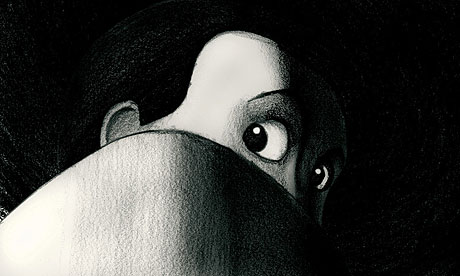
 We’ve all felt primal fear; it grips our breathing, sets our heart pounding, dries our mouth and sends our gut into spasms. Fear is one of the most powerful emotions. It is ultimately designed to ensure our survival, that we take flight to save our lives or fight to protect ourselves and our possessions.
Fear literally has the capacity to rule our lives. Milder fear influences the way we eat, walk, drive, work, and where we live. Our attitude towards fear dictates how we structure our societies and how we decide which groups to belong to. Fear can propel us towards good or evil. Extreme fear can physically or mentally paralyse us. “Helplessness is a persistent theme in any study of human fear.” (Rush W Dozier (@1998): Fear Itself. (p.xi).
At the heart of fear is threat and loss. While this may indeed be loss of life or limb, it can, more commonly, involve loss of possessions, of status, of position or of esteem by significant others. Contrary to anxiety, fear is directed at specific objects or specific outcomes.
Fear has an alarming tendency to “grow”, due to our mental processes. We ruminate, we exaggerate, we catastrophise and further terrify ourselves.
However, we can elect to focus on courage. While we cannot always choose what befalls us, we can always choose our response.
In the context of fear, courage involves two processes.
- Managing fear.
Courage is not a lack of fear. Courage is about acting in spite of your fear. Biswas-Diener proposes a courage-quotient: “How much courage is needed to do what has to be done.” To increase your courage quotient in the face of fear you might usefully reduce its intensity.
Fear expresses itself in your body physically. When you change your physiology, you change your experience. Manage:
- your breathing (slow it down, take deeper breaths, breath lower in your chest);
- your body’s reaction (identify where you feel the fear, is it in your face, chest, shoulders, back, stomach? and then change your posture to reduce tension and promote relaxation. A meditative posture might assist, or walking meditation if movement is preferable for you.)
- your tempo (slow your thoughts, your gestures, your speech, including the speed, tone and volume of your self-talk)
- Boosting willingness to act.
Courage is having a strong enough reason “why” to do what you need to in the face of your own resistance. Courage is “taking risks even in the face of possible failure or negative consequences.”
Ultimately, courage requires action. Doing nothing exacerbates fear. Seek that big enough “why”, your ultimate benevolent intention, to guide you to do what is right and appropriate.
A useful acronym for managing your thoughts and behaviour to create appropriate action is W.O.O.P. W.O.O.P stands for Wish Outcome Obstacle Plan. The Wish, Outcome and Obstacle part of WOOP builds unconscious associations between your desired future and reality, as well as between the obstacles you face and the actions you need to take to overcome those obstacles. These associations fuel the energy required to break through inertia and to foster your mastery of set-backs. The Plan part of WOOP propels you to overcome difficult obstacles by further strengthening your resolve. (source http://www.woopmylife.org/)
Facing and transforming fear supports increasing maturity. Etsko Schuitema states: “We can therefore describe generosity as rising above one’s fear of loss of things associated with the self, and courage as rising above the fear of loss of self.” (p18). It also engenders self-trust and resilience and makes life considerably less scary.
 This Article was Co-authored by Helen Minty. Helen has been involved with Schuitema’s diagnostics for a number of years, conducting client interviews, analysing survey data and writing client reports. With a keen interest in Positive Psychology, she has found synergy with the Schuitema thematic, particularly the importance of offering service to others as a means of achieving one’s own self actualisation.